
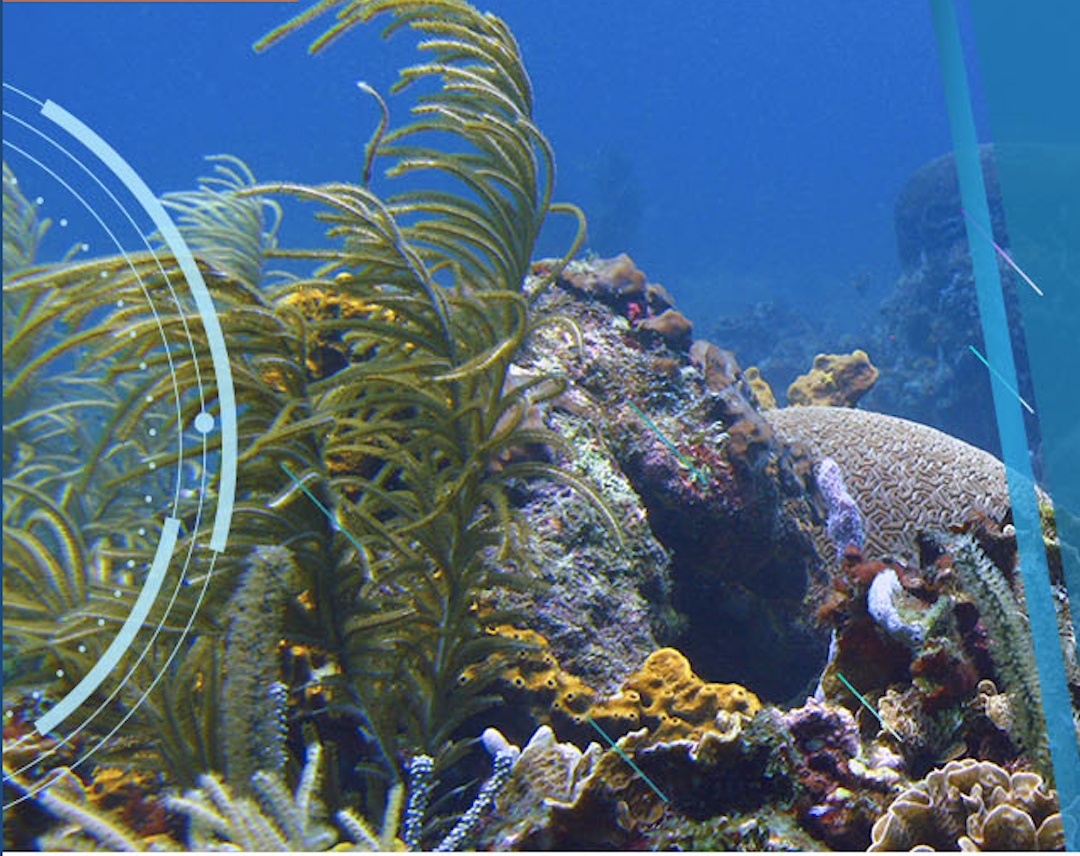
AMP2021ES
Áreas Marinas Protegidas 2021
El curso brinda un contexto sobre las Áreas Marinas Protegidas - AMP a nivel global, su importancia, su situación para Latinoamérica y frente a amenazas como el cambio climático, en el marco del CDB, los objetivos de Desarrollo Sostenible 13 y 14 y el Decenio de las ciencias oceánicas. Abarca los temas de bases conceptuales sobre áreas marinas protegidas, planeación, manejo, gobernanza, monitoreo y desarrollo de estrategias para el desarrollo de actividades sostenibles al interior de las AMP, adaptación al cambio climático, entre otros. Busca también una retroalimentación por parte de todos los estudiantes de acuerdo a sus experiencias y entrenamiento adquirido en temas de conservación y manejo, para promover el desarrollo de metodologías que orienten hacia el manejo efectivo de las AMP.
MEDIN_APR2021
Marine Data Management, Governance and the MEDIN toolset (Apr 2021)
This training course is suitable for anyone responsible for collecting or managing marine environmental data in the public sector, industry or for education or research. Familiarity with different marine data types, and how data is acquired and used, would be helpful but not essential. Prior knowledge or practical experience of data management is not required. >The course can be taken as a whole, or attendees can select modules according to two streams: Governance; Practical MEDIN.
NOTE: The first edition of the course (19-23 April 2021) is full.
MEDIN_SEP2021
Marine Data Management, Governance and the MEDIN toolset (Sep 2021)
This free training course is suitable for anyone responsible for collecting or managing marine environmental data in the public sector, industry or for education or research. Familiarity with different marine data types, and how data is acquired and used, would be helpful but not essential. Prior knowledge or practical experience of data management is not required. The course can be taken as a whole, or attendees can select modules according to two streams: Governance; Practical MEDIN.
NOTE: This is edition September 2021
NFPOGO-ODM2021_Unit5
NF-POGO Centre of Excellence. Ocean Data Management module
This 2 week-long module on Ocean Data Management is part of the Nippon Foundation-POGO Centre of Excellence (NF-POGO CofE) and hosted by AWI (cohort 2021). This module is part of an intensive training course for young professionals at the post-graduate level, ten months in duration, with an intake of ten trainees per year. The course is sponsored by the Nippon Foundation and hosted by the Alfred Wegener Institute for Polar and Marine Research.
This module provides a comprehensive introduction to a wide variety of earth science datasets, formats and analysis software. Students will learn and practice methods using a common ocean area, and they are expected to create a personal project of data products for a marine region of their own choosing. Personal projects are presented by the students at the end of the course.
Course/Module Dates: 15-26 February 2021
NFPOGO-CP2021_Phyto_ChemOce_Unit1
NF-POGO Centre of Excellence. Phytoplankton and Chemical Oceanography
Unit on chemical oceanography, nutrients and plankton.
NFPOGO-INTRO2021_Unit0
NF-POGO Centre of Excellence. Introductory module
To get familiar with each other and with the technical issues of the teaching tools. Get to know administrative issues, learn how to apply the folderscope and the VPN server, introduction to netiquette and good scientific practice. Get to know the hosting institutes, the Nippon Foundation and the POGO consortium
NF-POGO Centre of Excellence. Physics of the Climate System I (Basics)
The Physics of the Climate System
“Warming of the climate system is unequivocal, and since the 1950s, many of the observed changes are unprecedented over decades to millennia. The atmosphere and ocean have warmed, the amounts of snow and ice have diminished, sea level has risen, and the concentrations of greenhouse gases have increased.”
This statement in the Fifth Assessment Report of the Intergovernmental Panel on Climate Change (IPCC) in 2013 is based on a wide variety of climate observations and model simulations.
The present characteristics of the climate system are a product of a long-term evolution determined by external forcing (sun, volcanoes) and internal interactions within the climate system, which is composed of atmosphere, ocean, cryosphere, land surfaces, and the marine and terrestrial biosphere. Until 250 years ago, the interference of man was small, and climate variations were a product of natural processes and interactions alone.
Since the beginning of industrialisation the composition of the atmosphere, especially the concentrations of greenhouse gases, such as carbon dioxide and methane, have significantly increased. In addition, the character of the land surface has been largely modified through land-use and land-cover change through human activities. Most of the observed global warming during the past 100 years is attributed to these anthropogenic impacts.
This course provides the evidence of climate variations on all time-scales and their response to human impacts, and presents an introduction to the physics of the climate system, with a special focus on atmosphere, ocean and ice. Exercises in the afternoons will deal with specific climate processes and with the energy balance of the Earth and other planets.
Special topics are:
· evidence for climate variations on a variety of time-scales from in-situ measurements, remote sensing techniques, climate archives, and palaeo-climate proxies,
· physical properties of the climate system and its components (atmosphere, ocean, ice),
· physical processes relevant for climate variability and change,
· simple models of the climate system (energy balance models, Daisy World),
· climate scenarios from complex coupled climate models,
· new results from the latest IPCC reports.
NFPOGO-CP2021_PO I_Unit8
NF-POGO Centre of Excellence. Physical Oceanography I
Unit on Physical Oceanography I
NFPOGO-CP2021_MSP_Unit12
NF-POGO Centre of Excellence. Marine Spatial Planning Module
Unit on Marine Spatial Planning
NFPOGO-TSEC2021_Unit16
NF-POGO Centre of Excellence. Timescales of Element Cycling in the Ocean- Analytical, Experimental and (radio)Tracer Approaches
Unit on Timescales of Element Cycling in the Ocean-Analytical, Experimental and (radio) Tracer Approaches
CCCarbonoAzul2021_ES
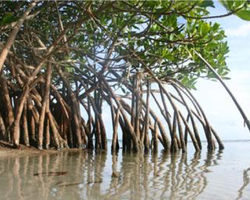
Cambio Climatico: Carbono Azul y adaptación basada en ecosistemas marinos y costeros 2021
Descripción general del componente virtual
El cambio climático es una de las mayores amenazas del planeta y muchos de los países de Latinoamérica ya sienten sus efectos. IPCC (2019) señala que ya se han observado impactos en los sistemas naturales y humanos como consecuencia del calentamiento global, muchos de los ecosistemas terrestres y oceánicos y los servicios que proveen ya han cambiado debido al calentamiento global.
Bajo este contexto, el curso busca la homologación de conceptos asociados al tema de cambio climático y facilitar la comprensión sobre las consecuencias previstas del cambio climático en zonas costeras y sobre los servicios ecosistémicos, que opciones de adaptación y mitigación hay disponibles para las zonas costeras y cuáles son los principales desafíos y oportunidades de acción contra el cambio climático.
PLASTIC_POLLUTION
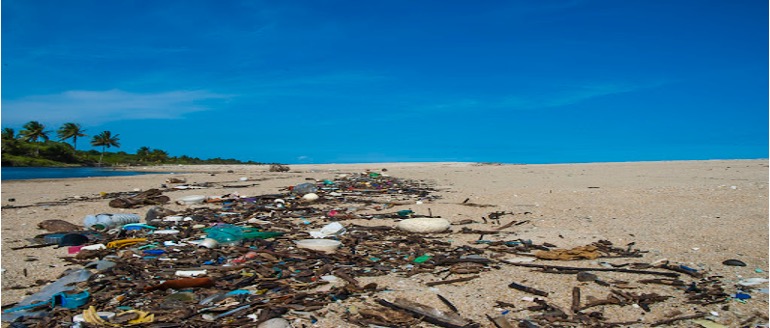
Contaminación marina por plásticos: de las causas a la gestión/Poluição marinha por plástico: dos condutores à gestão
Este curso en línea permitirá a los participantes comprender los conceptos y estrategias para evaluar el impacto de la contaminación por plásticos en los ecosistemas marino-costeros y en el océano.
Este curso online irá familiarizar os participantes para compreender os conceitos e estratégias para avaliar o impacto da poluição por plástico nos ecossistemas marinho-costeiros e no oceano.
MicTechPhyto_2021
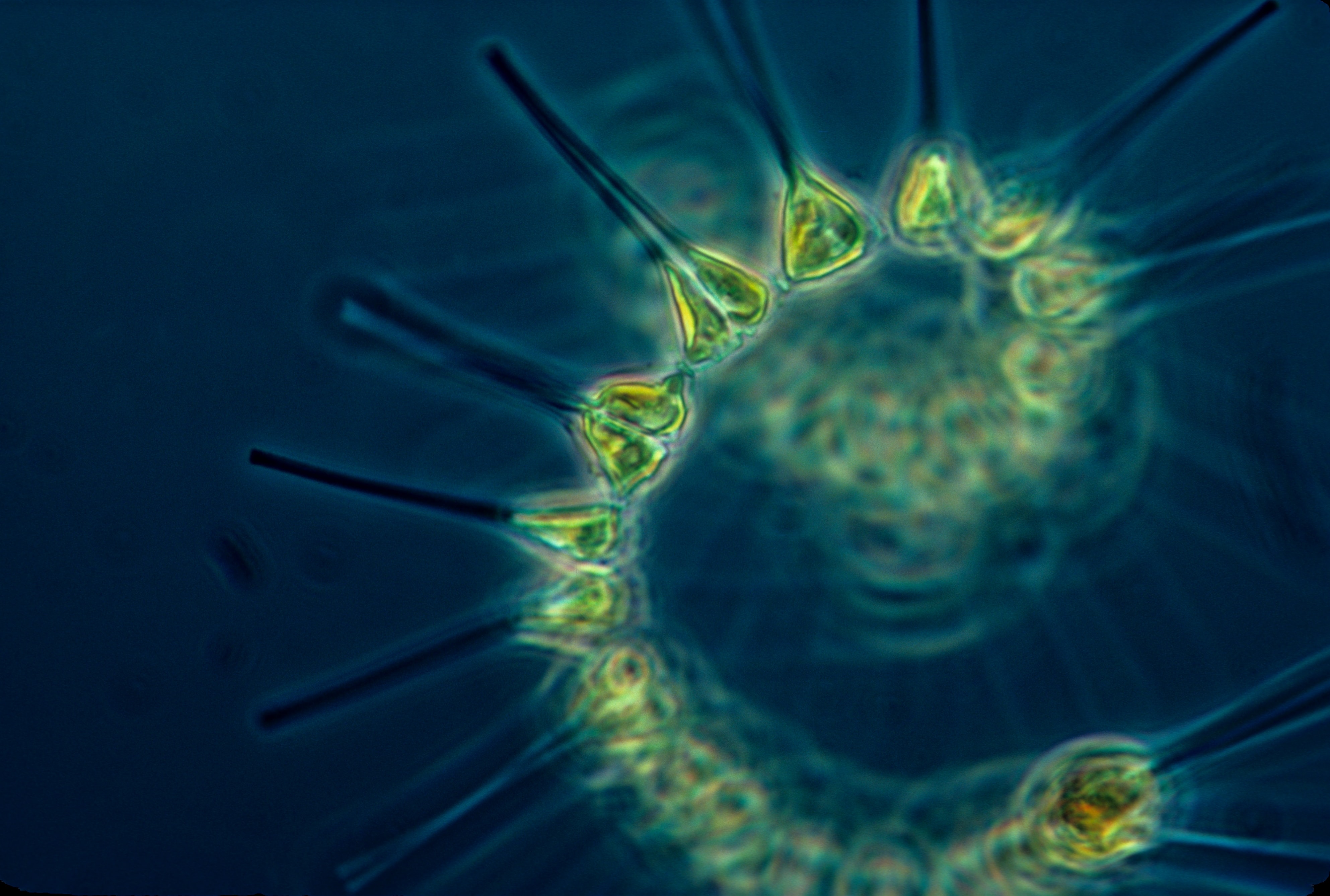
Culturing and microscopy techniques for the analysis of phytoplankton diversity
Phytoplankton comprises a range of very different organism from tiny and almost featureless picoplankton taxa to large diatoms and dinoflagellates nearing 1 mm in diameter. They essentially form the base of the food web and therefore a detailed knowledge of this diverse group of organisms is vital for developing an understanding of marine communities and their interactions with their environment and with each other. Unfortunately, the diversity of methods available for the quantitative and qualitative analysis is almost as diverse as the phytoplankton itself. This course will take you through the most important methodologies for quantitative and qualitative (non-molecular) biodiversity assessments of phytoplankton.
Carbonatos 2021ES
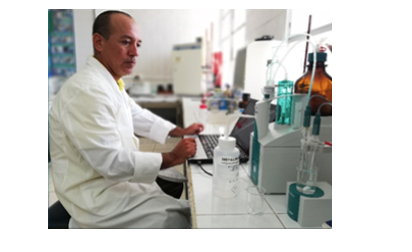
Curso regional de capacitación y entrenamiento sobre medición del sistema de carbonatos para la evaluación del indicador de acidez media del mar (ODS 14.3.1) 2021
El curso proporcionará los conocimientos y las herramientas a técnicos de la región en y análisis químico de acidez, alcalinidad total y carbono inorgánico disuelto de las aguas costeras, siguiendo un protocolo estandarizado en la región para el reporte del indicador 14.3.1 del ODS 14.
El curso proporcionará los conocimientos y las herramientas necesarias para que los técnicos y encargados del informe del indicador ODS 14.3.1., puedan realizar el reporte siguiendo el protocolo estandarizado de UNESCO-COI.
Se busca que los participantes intercambien experiencias, conocimientos y lecciones aprendidas en los procesos analíticos de laboratorio, cálculo, informe e interpretación del indicador 14.3.1.A nivel regional el Curso busca consolidar la Red de Investigación de Estresores Marinos - Costeros en Latinoamérica y El Caribe - REMARCO en la medición del sistema de carbonato.