
MEDIN_Nov2023
Marine Data Management, Governance and the MEDIN toolset (Nov 2023)
This free online training course is suitable for anyone responsible for collecting or managing marine environmental data in the public sector, industry or for education or research. Familiarity with different marine data types, and how data is acquired and used, would be helpful but not essential. Prior knowledge or practical experience of data management is not required. The course can be taken as a whole, or attendees can select modules according to two streams: Governance; Practical MEDIN.
MEDIN_Sep2023
Marine Data Management, Governance and the MEDIN toolset (Sep 2023)
This free online training course is suitable for anyone responsible for collecting or managing marine environmental data in the public sector, industry or for education or research. Familiarity with different marine data types, and how data is acquired and used, would be helpful but not essential. Prior knowledge or practical experience of data management is not required. The course can be taken as a whole, or attendees can select modules according to two streams: Governance; Practical MEDIN.
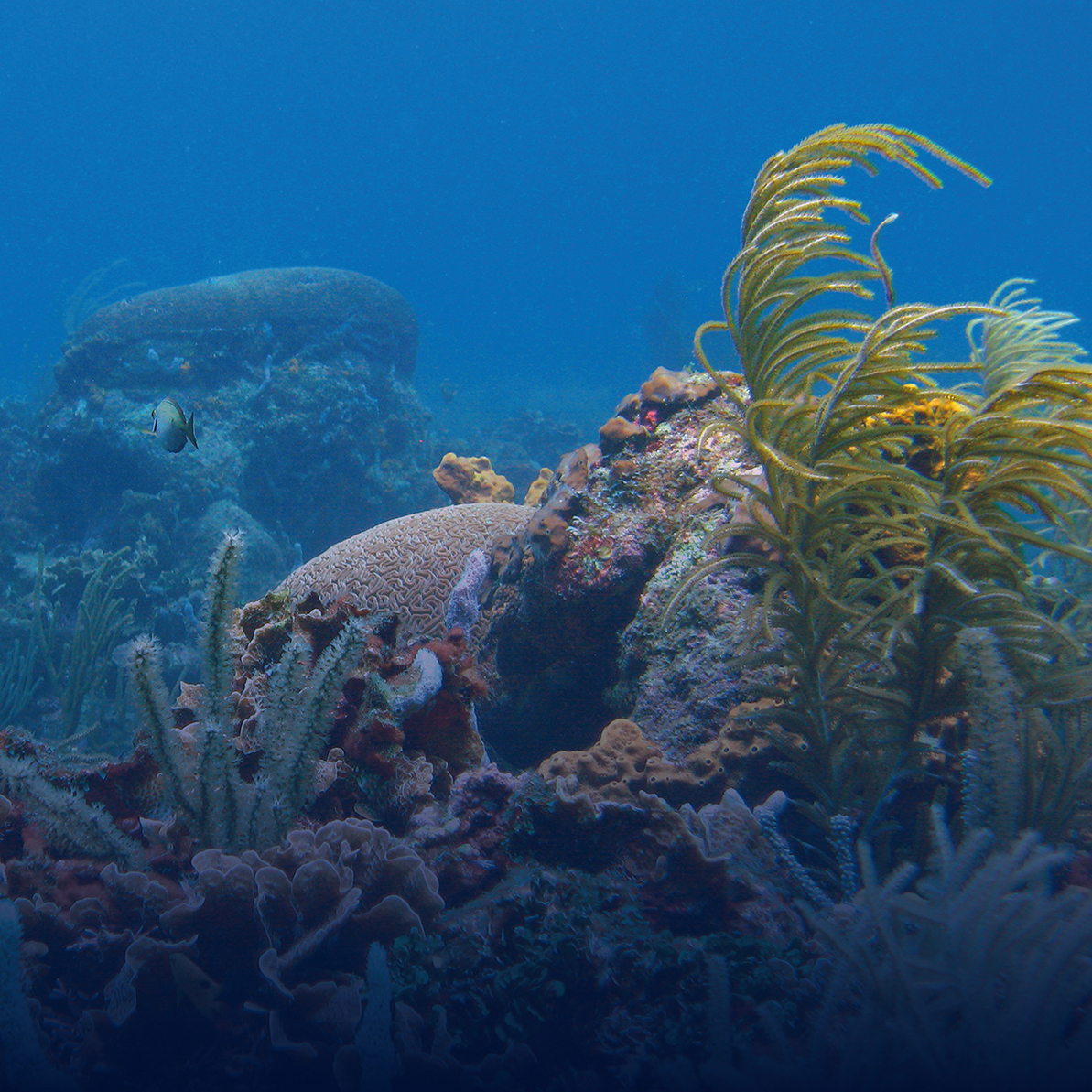
AMP2023ES
Áreas Marinas Protegidas 2023
El curso brinda un contexto sobre las Áreas Marinas Protegidas - AMP a
nivel global, su importancia, su situación para Latinoamérica y frente a
amenazas como el cambio climático, en el marco del CDB, Marco de
Biodiversidad Post 2020, los objetivos de Desarrollo Sostenible 13 y 14 y
el Decenio de las ciencias oceánicas. Abarca los temas de bases
conceptuales sobre áreas marinas protegidas, planeación, manejo,
gobernanza, monitoreo y desarrollo de estrategias para el desarrollo de
actividades sostenibles al interior de las AMP, adaptación al cambio
climático, entre otros. Busca también una retroalimentación por parte de
todos los estudiantes de acuerdo con sus experiencias y entrenamiento
adquirido en temas de conservación y manejo, para promover el desarrollo
de metodologías que orienten hacia el manejo efectivo de las AMP.
NFPOGO-ODM2023
NF-POGO Centre of Excellence. Ocean Data Management 2023
This 2 week-long module on Ocean Data Management is part of the Nippon Foundation-POGO Centre of Excellence (NF-POGO CofE) and hosted by AWI (cohort 2023). This module is part of an intensive training course for young professionals at the post-graduate level, ten months in duration, with an intake of ten trainees per year. The course is sponsored by the Nippon Foundation and hosted by the Alfred Wegener Institute for Polar and Marine Research.
This module provides a comprehensive introduction to a wide variety of earth science datasets, formats and analysis software. Students will learn and practice methods using a common ocean area, and they are expected to create a personal project of data products for a marine region of their own choosing. Personal projects are presented by the students at the end of the course.
Course/Module Dates: 5-16 June 2023
Blue_Cloud_2023
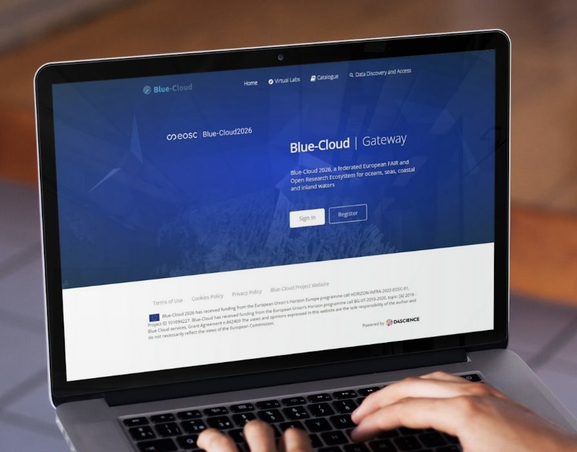
Blue-Cloud 2026
CC2023ES
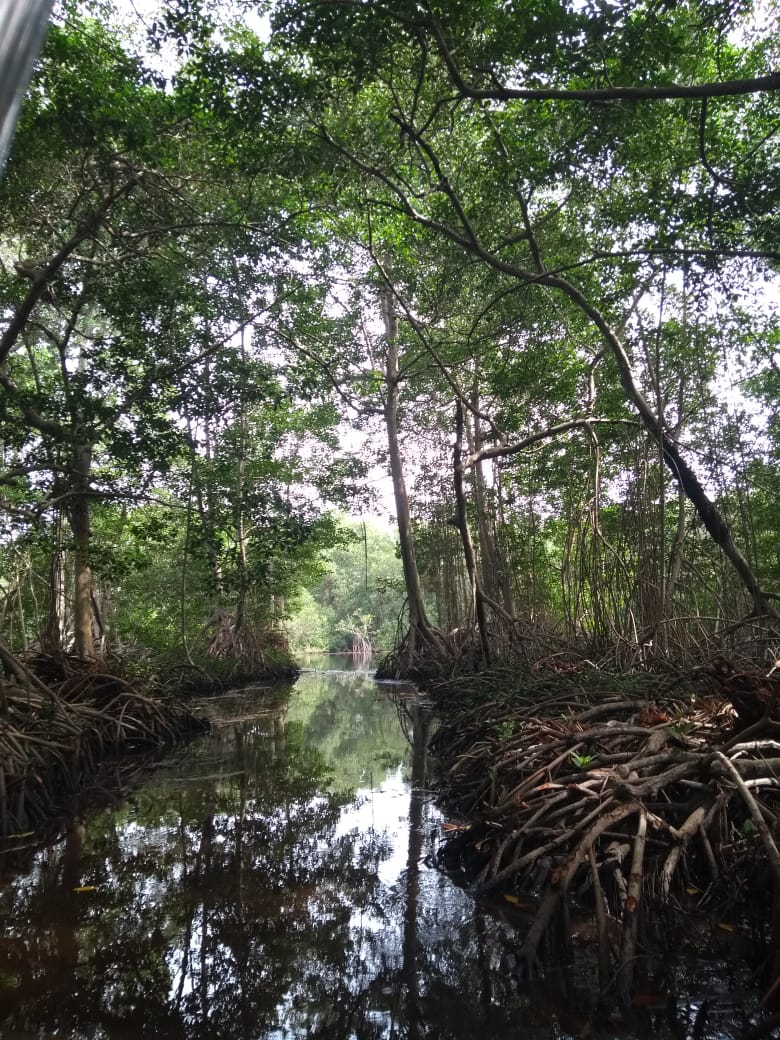
Cambio Climático: Carbono Azul y adaptación basada en ecosistemas marinos y costero 2023
El curso busca sentar las bases respecto a los conceptos y prácticas relacionadas con carbono azul (mitigación – captura de CO2) y adaptación en ecosistemas marinos y costeros, en el marco de la convención de cambio climático, el plan estratégico Ramsar 2016 – 2024 y los objetivos de Desarrollo Sostenible 13 y 14. Busca también una retroalimentación e intercambio de experiencias por parte de todos los participantes de acuerdo a sus conocimientos y lecciones aprendidas en temas de conservación y manejo de ecosistemas marinos y costero o planificación de usos en el territorio.
MEDIN_May2023
Marine Data Management, Governance and the MEDIN toolset (May 2023)
This free online training course is suitable for anyone responsible for collecting or managing marine environmental data in the public sector, industry or for education or research. Familiarity with different marine data types, and how data is acquired and used, would be helpful but not essential. Prior knowledge or practical experience of data management is not required. The course can be taken as a whole, or attendees can select modules according to two streams: Governance; Practical MEDIN.
DLEPC2023ES
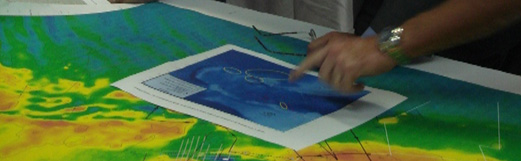
Determinación del Límite Exterior de la Plataforma Continental 2023
Curso teórico-práctico en línea que aborda los aspectos científicos, técnicos y jurídicos necesarios para determinar el límite exterior de la plataforma continental.
El objetivo del curso es proveer los conocimientos necesarios para proceder al establecimiento del límite exterior de la plataforma continental de acuerdo al artículo 76 de la Convención de Naciones Unidas sobre el Derecho del Mar (CONVEMAR) y la elaboración de la presentación ante la Comisión de Límites de la Plataforma Continental (CLPC). Se analizarán los aspectos jurídicos, científicos y técnicos involucrados. Se transmitirá la experiencia de la Argentina, tanto en el proceso de preparación como en la etapa de análisis de la presentación por parte de la CLPC.
Más información incluso como postular-se en https://oceanexpert.org/event/3537
ECOP-R_2023
Ocean Data Analysis with R Programming for Early Career Ocean Professionals (ECOPs) - Africa
elevant oceanographic (physical, chemical and biological) datasets will be used in the training, making it easy to relate, understand and apply the course concept. The course is designed for Early Career Ocean Professionals, hence, no prior experience is required.
ECOP-R_2023-2
Ocean Data Analysis with R Programming for Early Career Ocean Professionals (ECOPs) - Asia
elevant oceanographic (physical, chemical and biological) datasets will be used in the training, making it easy to relate, understand and apply the course concept. The course is designed for Early Career Ocean Professionals, hence, no prior experience is required.
ElNino2023ES
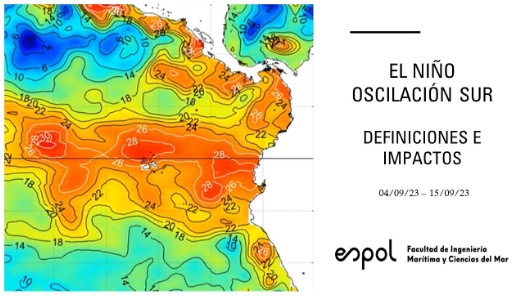
El Niño: Definiciones e Impactos
Este curso tiene la finalidad de introducir a la audiencia hacia los conceptos del “El Niño Oscilación Sur (ENOS)”. Se hará énfasis sobre los efectos en sectores de interés público.

IOC_IQ-HAB-2023
IOC/OTGA/HAB: Training Course and Identification Qualification in Harmful Marine Microalgae 2023
Since 1993 the IOC has conducted training courses on harmful microalgae. The purpose has been to improve the taxonomic and identification skills of the participants for research purposes and for practical monitoring of harmful algal blooms.
From 2006 the IOC training in HAB identification has been offered within a new framework which gives accreditation. The present course includes now a practical exam at the end of the course with an IOC Certificate of Proficiency in Identification of Harmful Algae issued to participants who pass the exam. We know by experience that many of the more than 500 trainees we have had over the years have wished the courses to give accreditation, and in some countries, the IOC courses have become a reference for laboratories to be approved for carrying out regulatory monitoring for harmful microalgae.
The IOC Science and Communication Centre on Harmful Algae, University of Copenhagen, Denmark is organizing the course.
IPI_2023
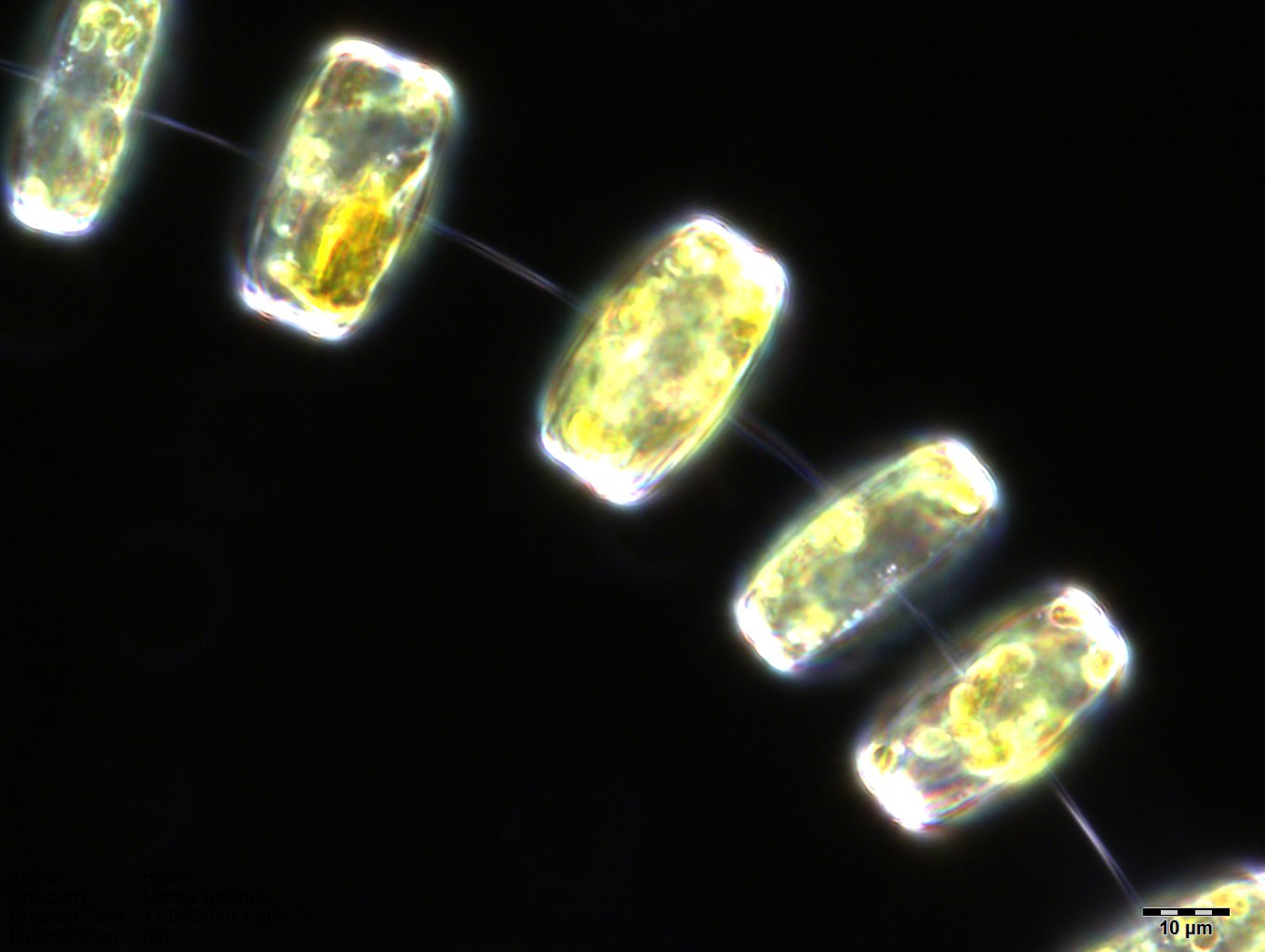
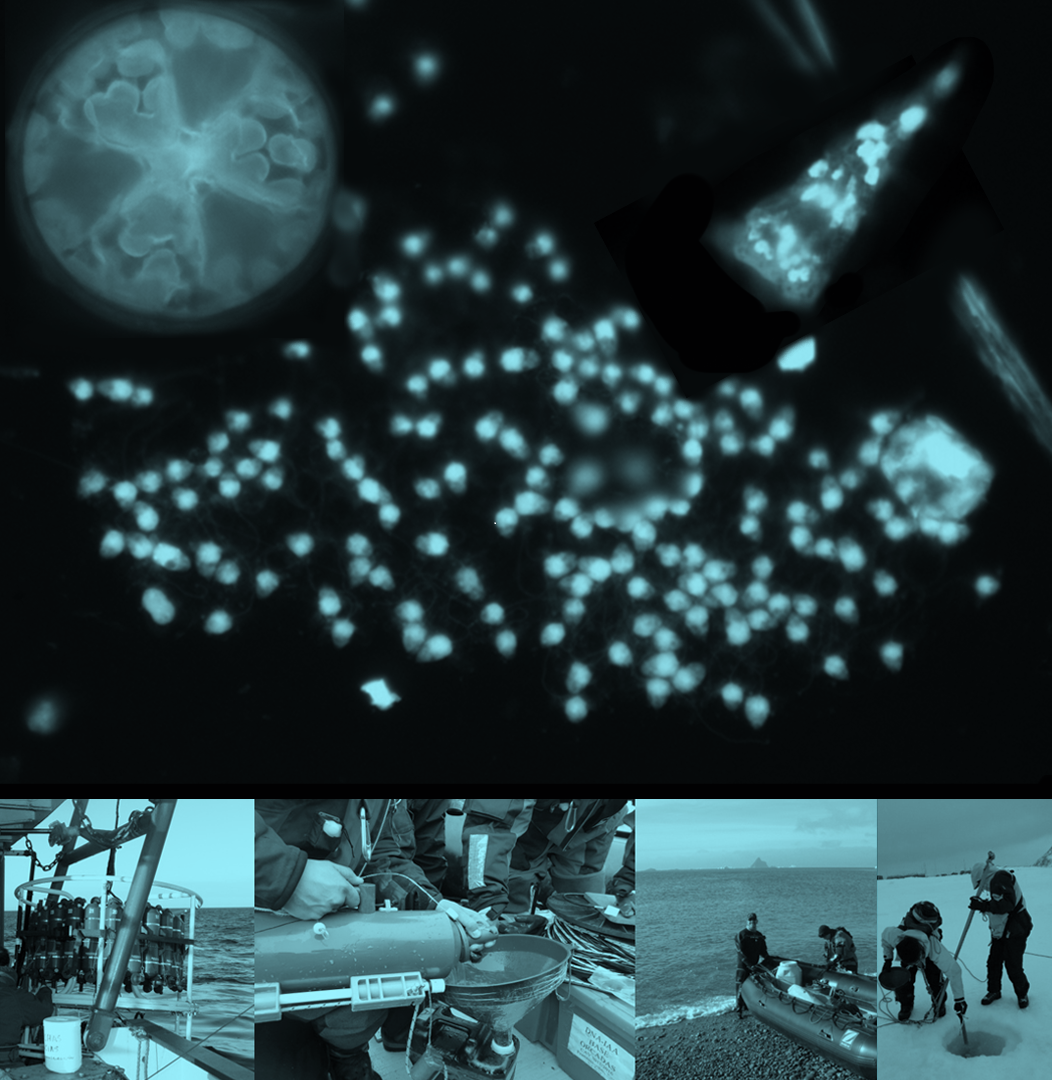
International Phytoplankton Intercomparison (IPI) 2023
International Phytoplankton Intercomparison
MBM_2023ES
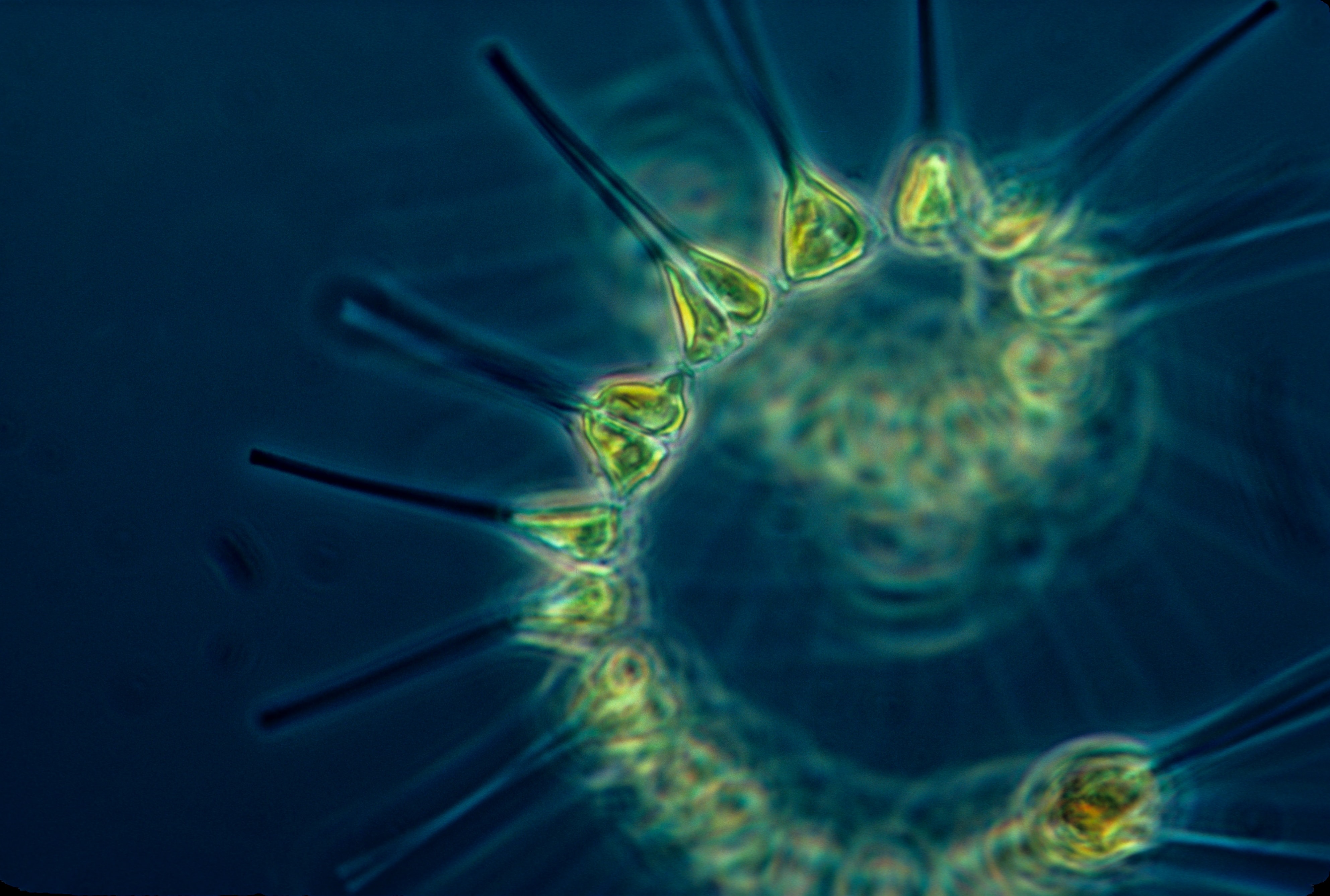
Microbiología y Biogeoquímica Marina
El curso tiene una orientación técnica destinada a brindar los pasos
fundamentales para la recolección de muestras y la metodología a aplicar
durante el desarrollo de actividades de investigación vinculadas a la
Biogeoquímica y la Microbiología Marina que pueden concretarse durante
una campaña de investigación oceanográfica. Los contenidos permitirán
abordar, con distintos enfoques, el estudio de diversos grupos de
microorganismos que viven en la columna de agua o en dependencia de un
sustrato, las condiciones biogeoquímicas asociadas, incluyendo
contaminación por nano- y microplásticos. Se tratarán los pros y cons de
los métodos de colecta, filtración y fraccionamiento de las muestras
con distintos objetivos, las fuentes de error y el equipamiento
requerido para efectuar mediciones, entre otros aspectos.
MicTechPhyto_2023
Culturing and microscopy techniques for the analysis of phytoplankton diversity 2023
Phytoplankton comprises a range of very different organism from tiny and almost featureless picoplankton taxa to large diatoms and dinoflagellates nearing 1 mm in diameter. They essentially form the base of the food web and therefore a detailed knowledge of this diverse group of organisms is vital for developing an understanding of marine communities and their interactions with their environment and with each other. Unfortunately, the diversity of methods available for the quantitative and qualitative analysis is almost as diverse as the phytoplankton itself. This course will take you through the most important methodologies for quantitative and qualitative (non-molecular) biodiversity assessments of phytoplankton.
MIT2023
Marine Information Technologies
MMCE2023
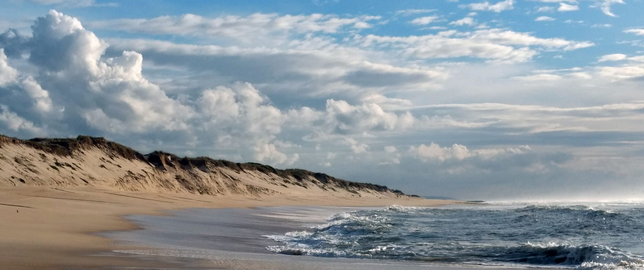
Management and mitigation of coastal erosion 2023
The coastal erosion problem affects several regions worldwide. The causes of this problem are sites specific and not always understood. In this way, understanding the possible mitigation measures for this problem and the impact that each coastal intervention strategy can represent on the shoreline evolution allows for a more informed action by the decision-makers and competent entities.
MOGFAC2023_ES
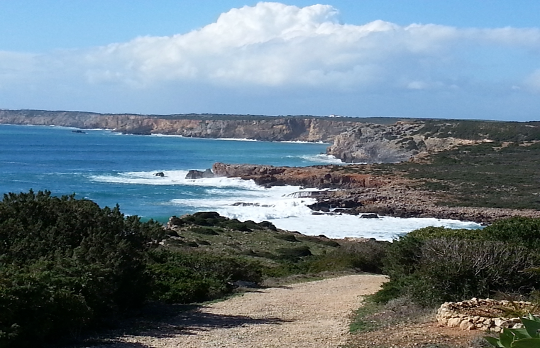
Métodos de Oceanografía Geológica y Física en Ambientes Costeros
El curso implica obtener conocimientos teóricos/prácticos para hacer
trabajo de campo y muestreo en estuarios, humedales costeros y playas
desde un punto de vista de la oceanografía física y geológica con
relación a temas tanto biológicos como químicos. En cada caso se
introducirán los equipos necesarios para cada ambientes con detalles de
cómo se operan, calibran y se accede a los datos. Como se diseñan y
desarrollan los trabajos de campo y el análisis de los riesgos que ellos
implican. Se explicarán las técnicas de trabajo en laboratorio para el
análisis de muestras. Finalmente se impartirán rudimentos de manejo de
bases de datos y de métodos básicos de análisis de los datos.
OCRS_India2023
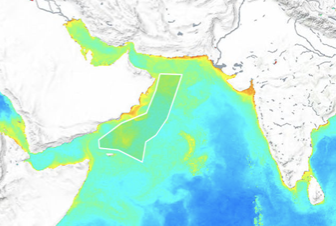
Ocean Colour Remote Sensing - Data, Processing and Analysis 2023
Ocean colour analysis is a proven tool for determining the health of
ocean using oceanic biological activity through optical means. Phytoplankton
pigment, chlorophyll, are indicators of equilibrium of CO2
concentration between atmosphere and ocean. The oceanic colour changes due to chlorophyll
a provides the level of primary productivity whereas the colour change due to
CDOM can be attributed to the level of pollution and higher particulate matter.
The ability of optical sensors to map the spatial and temporal patterns of
ocean colour over regional and global scales has provided important insights
into the fundamental bio-optical properties and bio-physical processes
occurring in the aquatic media. Chlorophyll, SST and PAR can be operationally
scaled up to estimate primary production and estimate the fish stocks. This
training focuses on the basics of marine optics, ocean colour remote sensing,
and its applications such as mapping primary productivity, phytoplankton
classes and algal blooms.